
Website designing
Fast, phone-first websites planned around the questions your customers ask before they buy.
We build online stores that are easy to buy from and easy for your staff to run. The shop is yours, so the brand, the customer list and the margins stay with you.

Marketplaces are useful, and many of our clients still sell on them. But there you pay commission on every order, and your product is shown next to a cheaper copy. The customer belongs to the platform, so you cannot message them next month about new stock.
On your own store, a repeat customer costs you nothing. Packaging, offers and returns policy are your decision only. A buyer may search Google for the exact thing you make. Then your own page can come up, and he does not land on a listing with thirty other sellers.
One honest drawback is there. A new store gets no visitors on its own, and you have to bring them through search, social media, WhatsApp and your present customers. We build with that in mind, and we can handle the search side also.
We don't push one tool on everyone. Up to a few hundred products with normal needs, we use WooCommerce on WordPress, as it is economical and flexible. If you take made-to-measure orders or give dealer pricing or subscription deliveries, we build custom in PHP to follow the way you already work. The quote itself will say which one we recommend and why.
If some are not ready, we will help you sort them out.
A product does well on its own store if it is distinctive, gets bought again and again, or needs explaining. In our region we see these kinds working well.
Sarees, dress materials and handloom items. Buyers look closely at fabric and drape. Good photos and correct informations do the selling.
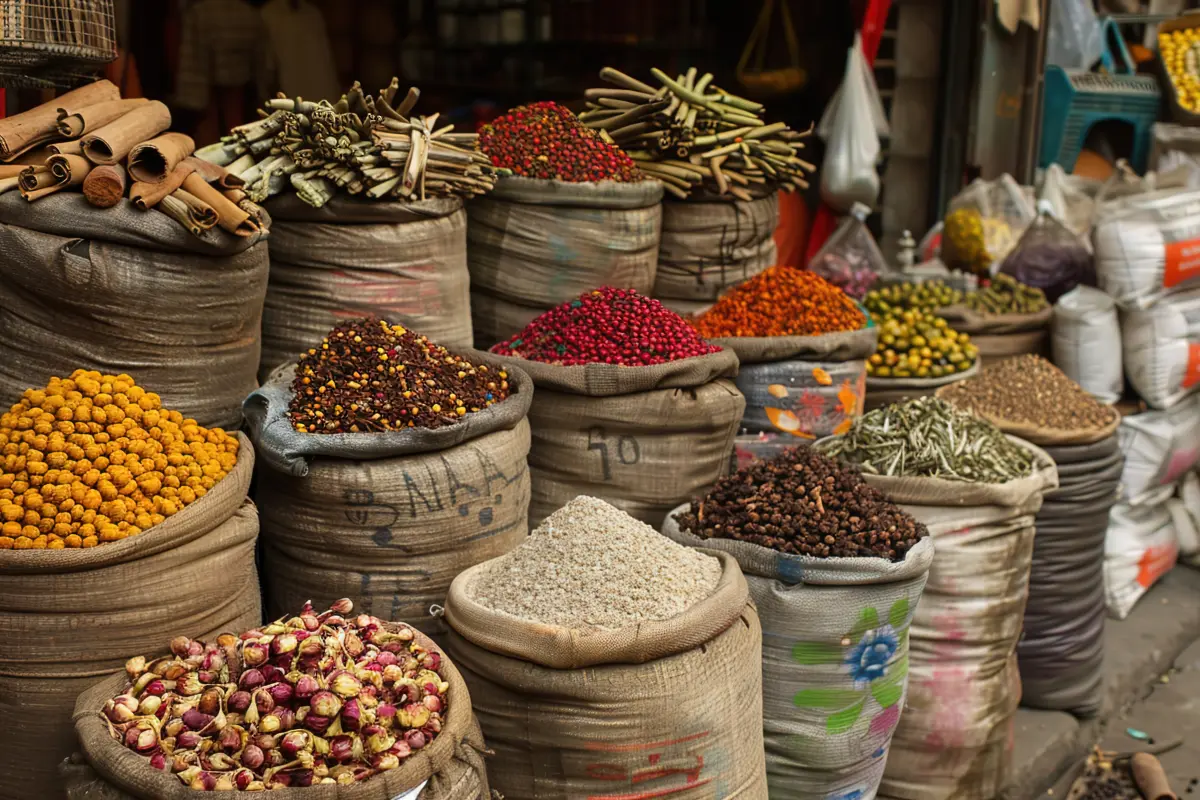
Banana chips, spices, palm products, pickles and sweets. Our people who moved away find one seller they trust and keep ordering from him.
Imitation and silver jewellery, customised gifts and return gifts for functions. Sizes, variants and a name printed on the gift, all these options we set up carefully.
Oils, supplements and personal care. Before paying, a buyer checks what is inside and the licence number. So we put the ingredients and usage on the page in plain words.
Hardware, spares and safety equipment. Many times you need a catalogue with quote requests and dealer pricing, more than a simple cart.
Most people who add something to the cart never pay. Usually the reason is small, and almost all such reasons can be fixed.
The buyer cannot hold the product, so the page must do that work. Put several photos with the exact size and weight. Also write what it is made of and when it will arrive.
A shipping fee shown only at the last step is the most common reason people leave the cart. So we tell the buyer the charge on the product page itself. Some owners prefer to add it into the price.
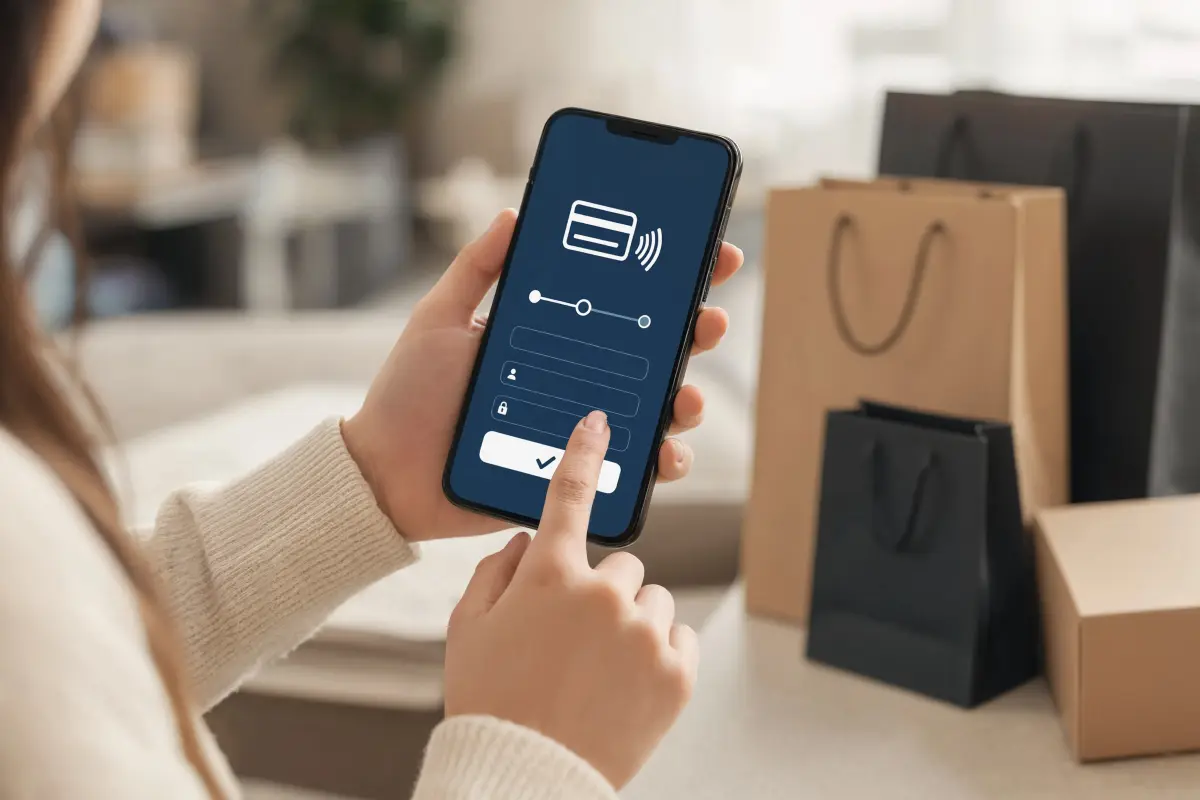
Nobody is forced to sign up, and there are very few boxes to fill. UPI comes first, because most of your customers like to pay that way.

No need to put your whole shop online on the first day, and honestly it is better if you do not. Photographing, describing and pricing five hundred items takes months, and most stores never finish.
Mostly we suggest starting with your thirty or forty best sellers. Take good photographs and write a proper description for each one. After few real sales you will see what customers ask and what the courier really charges. Then add the next batch.
We build the store for that growth. The five-hundredth product goes in the same way as the fifth, and your staff can add it without calling us.

Building the store is the easy half. An online business does well or fails in the daily running. Sit with your staff before the launch and settle these questions.
We arrange the order screen so each of these has a clear place. New orders are flagged, and packed or shipped is one tap. The customer gets a message at every stage, so the "where is my order" calls come down a lot.
A new online store is like a new shop on a quiet street, where nobody walks in by chance. You have to bring people to it. Plan that from the start itself, or in the third month you will be wondering why no orders come.
This source costs the least, and many owners forget it. People who already buy from you at the shop will happily reorder online once they know the store is there. Put a printed card in every bag. Keep a QR code at the counter. When you send a WhatsApp broadcast to your regulars, the first orders will come.
People search for exact products, like "palm jaggery 1 kg", "nagercoil banana chips online" or "pure silk kanchipuram saree with price". A product page with the right name, a real description and good photographs can rank for such searches. It takes a few months, and then it keeps bringing buyers with no fee per click. We set up every category and product page for this. For the ongoing work, see our SEO services.
Instagram and WhatsApp status are doing real selling now, mostly for food, clothing, jewellery and gifts. Many times a follower types just "price please" under your post. Reply with the store link, and he can pay there itself.
If your marketplace listings work, keep them. Many buyers find a brand there first and then come directly for the next order. A slip inside each parcel pointing to your own store makes those marketplace buyers your own customers.
Customers and payment gateways both expect some pages to be there. You need a returns and refund policy, a shipping policy, terms and conditions and a privacy policy. Most online selling also needs GST registration, and food needs an FSSAI licence. We give sensible starting drafts of the policy pages and tell you which registrations your products are likely to need. Your auditor should have the last word on the final wording and the tax side, so discuss about it with him before going live.
Most projects touch more than one of these. Each page explains what is involved and what you get at the end.
Fast, phone-first websites planned around the questions your customers ask before they buy.

Steady monthly search work, with a report you can read, including the slow months.

Android and iPhone apps for ordering, booking and customer accounts, with the admin panel your staff use.

We connect the major Indian gateways like Razorpay, PayU, CCAvenue and PhonePe. The account is opened in your business name itself, and money settles straight to your bank. Your funds never pass through us.
Mostly six to ten weeks. Product data changes the timeline most, because photographing, describing and pricing two hundred products takes longer than the store. While we build, you fill a spreadsheet format we give you.
Yes, you can. Adding a product is one form with photos, price and stock. We train your staff and leave a short written guide.
Yes, many sellers are running both. When the same stock sells in both places, an inventory tool can keep the count synchronised, if your sales need it.
Hosting, domain renewal and courier charges are there. On each payment the gateway cuts a small fee. Maintenance from us is optional. We write every one of these in the quote, so you know them before you start.
Tell us what you sell and about how many products you have. We will suggest a setup and send you a fixed quote.
Or call +91 81241 77847. We reply within one working day.