
Website designing
Fast, phone-first websites planned around the questions your customers ask before they buy.
A business website should bring you phone calls and enquiries. We plan yours around the questions your customers ask before they buy.

Before calling a business for the first time, a customer wants four answers. Do you do the work I need? Are you near me, or will you deliver to me? Can I trust you? And how do I contact you right now?
Our home page answers these four in that order, and the other pages take the follow-up questions. In the first meeting itself we mostly ask what your customers ask you on the phone. Whatever they ask, we make pages for that.
We include the technical basics without you asking. SSL, mobile layout and fast loading are there. We set up Google Search Console and Analytics, and mark up your business details so Google can read them.
For a clinic and a factory the page names look nearly the same. But what goes on those pages changes a lot from one industry to the next.

Doctor profiles, specialities and consultation timings, with a booking or call option. Patients search by their symptom and also by doctor name, so we make pages for both.
Admissions information kept current, with fee and course details and a calendar. Parents really do browse photo galleries, so we add them. Your office staff can do the updates on their own.
Your completed projects with location, size and photographs. Buyers want to see work done near them, and they want to see it finished.
A product catalogue with specifications and data sheets to download. Your certifications go here too. The enquiry form asks for quantity and destination.
What you stock and which brands you carry, with offers, opening hours and directions. Many times this is the first step before a full online store.
Rooms, rates and location, with a direct enquiry route. Then you need not pay commission on every booking.
For auditors, advocates, architects and trainers. The site tells clearly what work you take up and how much experience you have. It also explains how the first consultation goes.

Your shop closes at night, but the website stays open. At eleven at night, with nobody at the counter, it should do three jobs for you.
The visitor should find what you offer and where you are. Your timings and rough prices should be there too. If the answer is on the page, he need not phone you for it.
Show your address and your registration details, with photographs of your premises and your work. A new person calls only after seeing you are real.
Give a short form and a WhatsApp button. A customer ready at night can enquire that night only, without remembering you next morning.

Many small business websites make one mistake. The business puts everything it does on a single "Services" page, twenty items long, with a line or two for each.
The problem is, nobody searches for "services". A patient types "root canal treatment" or "knee replacement surgeon". A homeowner types "waterproofing for terrace". Google wants to send that person to a page about that exact thing. One line in a long list will not do the job.
So each main service gets its own page from us. The page explains what the service is, who needs it and how it is done. It also covers time taken, price factors and the usual questions. Such a page helps the visitor decide, and Google gets something specific to rank. For your business, ten pages like this will bring more than a hundred thin ones.

Stock photographs of smiling models are okay for decoration. They prove nothing about your business, though. Customers are won by your own pictures, like your shop front, your team at work, the house you finished last month or the machine on your factory floor.
To begin, you do not need a professional shoot. A recent phone with good daylight and a steady hand is enough. Before the project starts we send a short list. It says where to stand and what to shoot, and to keep the phone level and avoid the afternoon sun. Mostly a dozen honest photographs are all a first website needs.
For builders, interior designers, caterers and boutiques, the work itself is visual. In such cases a professional photographer for half a day is money well spent, and we can arrange one.
We have looked at lot of small business websites, and the same few problems come up again and again. Once you know about them, each one is easy to avoid.
On launch day itself we connect your site to Google Analytics and Search Console, under your own account. In a few weeks you can see how many people visited and which pages they read. You can also see what they searched to find you, and how many tapped the call button or sent the form.
Raw numbers alone will not tell you much. So we will discuss about the three or four figures worth watching, and what a healthy figure is for a business of your size. In the end, check whether more of the right people are contacting you.
Most projects touch more than one of these. Each page explains what is involved and what you get at the end.
Fast, phone-first websites planned around the questions your customers ask before they buy.
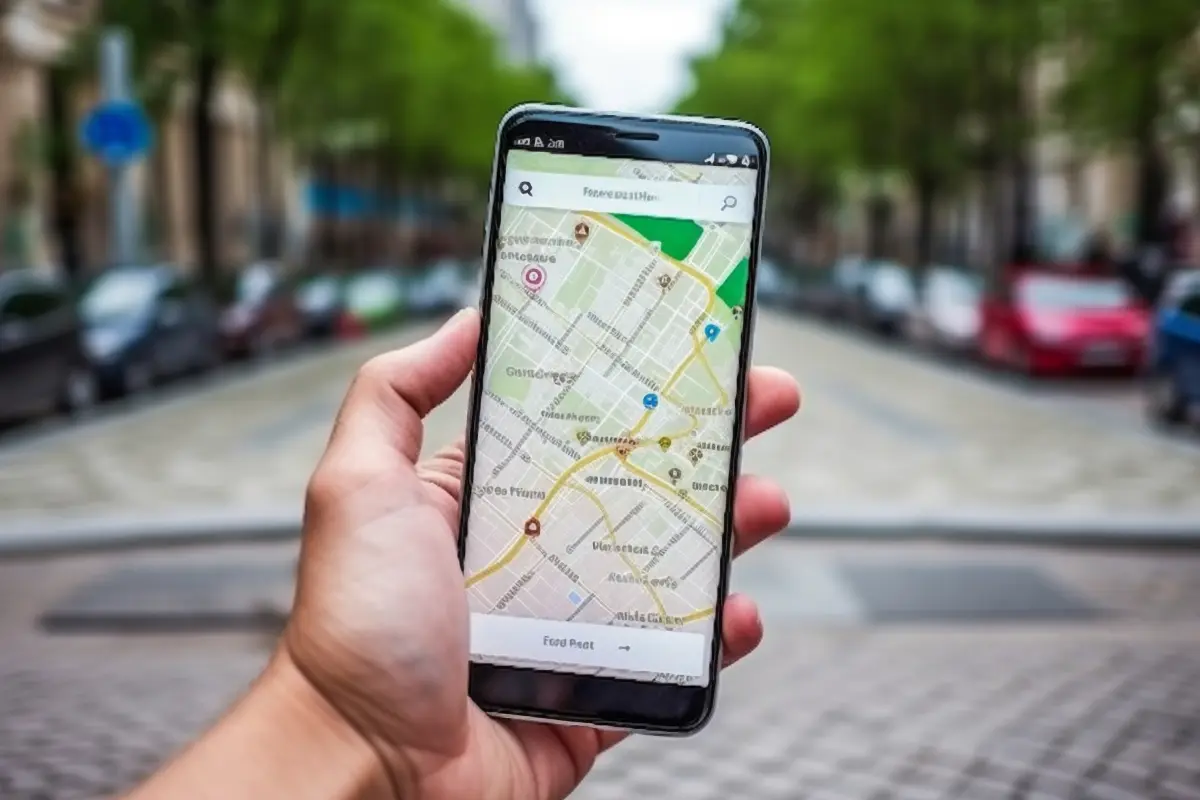
Appear in the map results when people nearby search for what you sell.
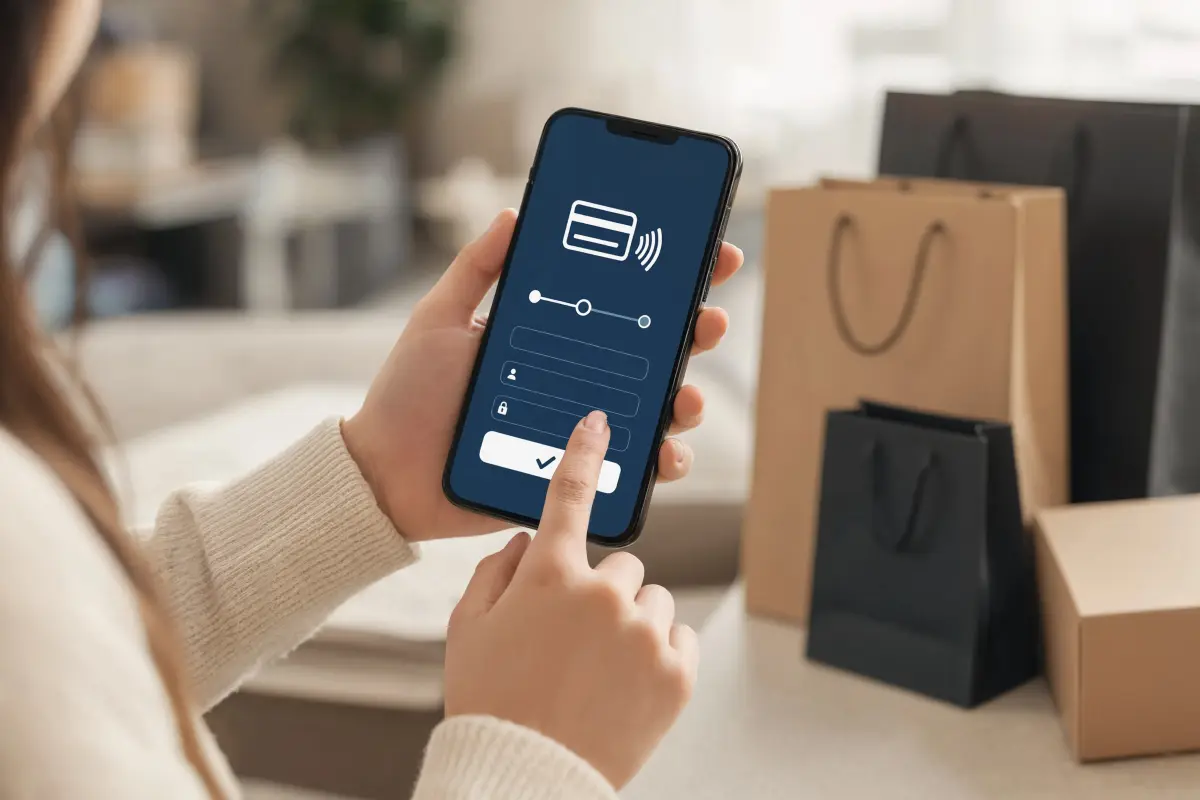
Your own shop online, with UPI and card payments and an order screen your staff can run.

Most small businesses we work with need only six to twelve pages. One strong page for each service does better than thirty thin ones, for visitors and for Google also.
Not at all. We talk with you first and then write the first draft. We also give you a short list of photographs worth taking. Many times phone photos in good daylight are fine.
We build it so Google can find and understand it, and we submit it at launch. For your own business name, it usually shows up within days. A search like your service plus your town has more competition. There you need regular local SEO work.
Yes. If payments, bookings or a product catalogue may come in future, tell us now itself. We keep space for them, so later you need not build again from zero.
Tell us what you do and who your customers are. We will revert with a page plan, a fixed price and a date.
Or call +91 81241 77847. We reply within one working day.