
International SEO
For exporters and service firms whose next buyer is in another country.
We build websites and do SEO for Coimbatore businesses that make pumps, motors, castings, textile machinery, wet grinders and yarn. Such a site has to sell to engineers and purchasing managers.

A purchasing manager comparing suppliers is not just looking around. Mostly he comes with a part number or a spec in hand, and wants to know within a minute if you can supply it. If he cannot see the model range and material grade, or the capacity and certification, he moves to the next tab.
Many manufacturing websites in this region still open with a paragraph on the founder's vision. The products are kept three clicks deep, inside a PDF. Google cannot read much from a scanned brochure, and a busy buyer will not read it either.
Our industrial websites are built as catalogues first. Every product or product family gets its own page. On that page we put a proper specification table and the applications, with drawings or data sheets to download. The enquiry form asks quantity and delivery place. When a buyer searches Google for exactly that item, your page comes up.
Almost nobody is typing "best pump company". Real buyers search for "5 hp open well submersible pump manufacturer", "SG iron castings supplier India", or "ring frame spare parts exporter". For such narrow searches, few companies are fighting. And whoever types that is ready to send an enquiry.
For manufacturers, our keyword research starts from your product list and the words your customers write in their purchase orders. After that we check that each one has a matching page.
Many Coimbatore and Tiruppur businesses are already exporting, or planning to. A site ranking in India will not rank in Germany or the UAE automatically. We first set up country targeting. The overseas buyer wants certifications and export packing, also Incoterms and sample policy, so the content gets changed for him. After that we build visibility one market at a time. More on our international SEO page.
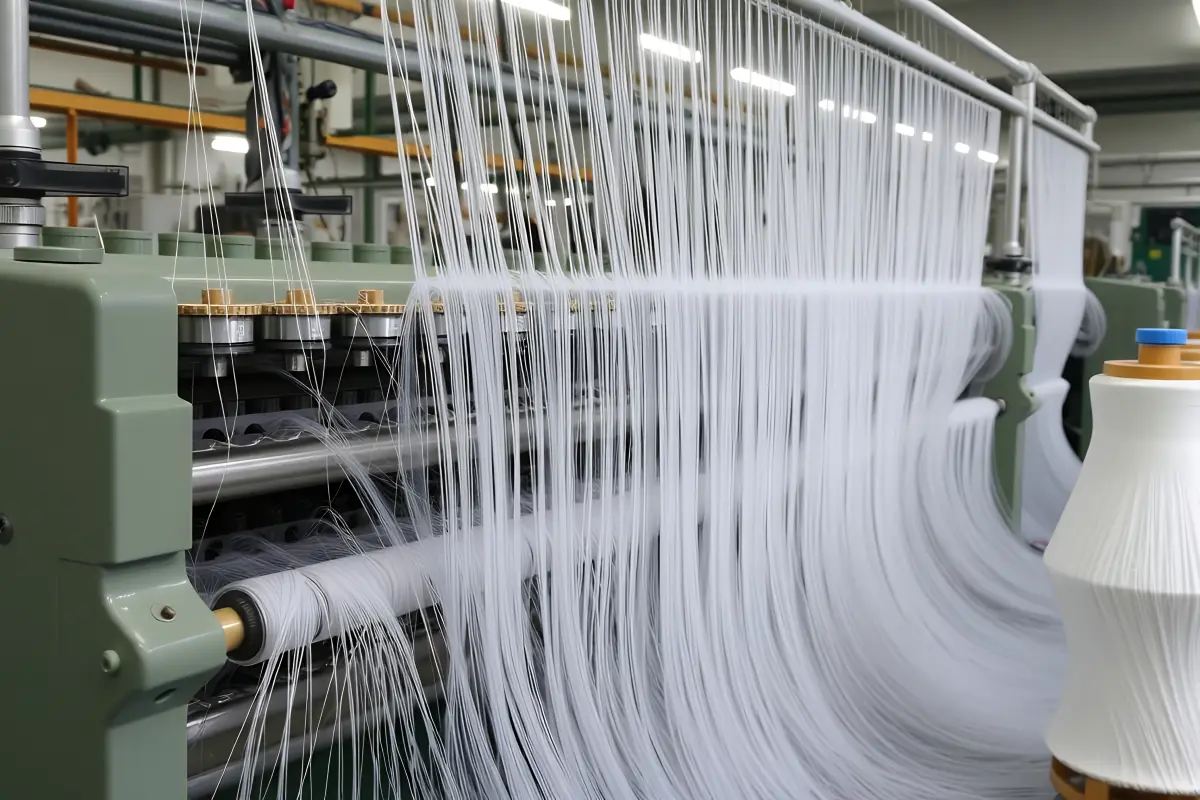
You need not rewrite anything. We turn the brochure into web pages ourselves.
Coimbatore is also a centre for education, healthcare and retail, and nearby Tiruppur has the knitwear trade. We work for them also.
A patient mostly searches his condition, not the hospital name. So we make speciality and doctor pages for that, and each branch gets its own local SEO.
We keep course pages and admission details up to date. Students searching a course by name can find it.
Wholesale people usually want a catalogue that takes enquiries. For retail we set up a store with payment and shipping.
We do a technical audit to find why traffic dropped, then make a plan to get it back.

A buyer should decide to enquire from the page itself, without picking up the phone. Most of what they need comes under these three blocks.
Type the model and capacity into a table as real text. Dimensions, power, materials and tolerances go in the same one. Buyers can compare then, and Google reads it.
Say which industries use it and for what job. Many times the buyer searches by their problem, without knowing your model number.
Certifications and test reports go here. We also add the data sheet for download and the standards your product meets.

Your printed catalogue, price list and folder of photos already have most of what a good website needs. We only have to bring it online properly.
Usual shortcut is to upload the scanned brochure as a PDF, and that wastes the chance. Google reads very little of it. On a phone the buyer has to keep pinching and zooming. And you cannot link to one product inside that PDF, nobody can find it separately.
We break the catalogue apart and rebuild it as pages. A product family turns into one section, and under it every model gets a separate page with a proper table. Photos get cleaned up and labelled. Somebody still wants the PDF? He can download it from the same page. The specs go into the page text, where Google and the buyer can read it.

Factory owners commonly say online leads come in plenty but are mostly useless. Students want project help. Traders are only checking the price. Someone asks for one piece when your minimum is five hundred.
Your website itself can do this filtering. We mention the minimum order quantity on the page. The enquiry form asks for company name, quantity, application and delivery location, and dealers and end users get separate forms. A serious buyer fills it happily because he gets a faster and more correct reply. The time-waster mostly gives up.
You will get less enquiries, and your sales desk wastes less time on them.
Tiruppur’s knitwear and Erode’s textiles and turmeric are right next door to Coimbatore. Karur does home furnishings. Salem is known for steel and sago, and Namakkal for transport and poultry. Online, these businesses need mostly the same things.
Not every manufacturer wants to export. Many only want more customers in Gujarat, Maharashtra, Delhi or the north-east. A domestic buyer also searches by product and specification. He looks for your GST details, payment terms and transport options too. Some prefer reading in Hindi, so where it helps we add a Hindi section for your most important pages.
When you exhibit at a fair, your website gets a second job. Visitors who take your card will look you up that evening in their hotel room, and what they see decides if your card stays in the pile. Before a major fair, put the products you are showing on the site and update the contact details. Then open it on your own mobile to check it loads fast. We can plan a refresh as per your exhibition calendar.
Most projects touch more than one of these. Each page explains what is involved and what you get at the end.
For exporters and service firms whose next buyer is in another country.

Fast, phone-first websites planned around the questions your customers ask before they buy.

How we work with businesses across the state, in Tamil and in English.

No. We are in Nagercoil, and we work with Coimbatore clients over phone, video call and WhatsApp. For a bigger project we can come down for a factory visit and kickoff meeting. We take the photographs then itself, and we see how the product works.
A portal sends the same lead to several suppliers, so mostly it becomes a price fight. An enquiry from your own website comes to you only, and that buyer already read your specifications. Most manufacturers keep both, and in their experience the website leads close more often.
Honestly, we are not engineers and we will not pretend. We work from your catalogues, and we discuss about the products with your technical staff. Then we arrange the information for the web. No page goes live till you have checked it for accuracy.
Yes. For a large range we build a product database that buyers can filter by type, capacity or application. You also get an admin screen, so your own staff add a new model there without calling any developer.
We will revert with how we would turn it into a website that both buyers and Google can read, and what it would cost.
Or call +91 81241 77847. We reply within one working day.